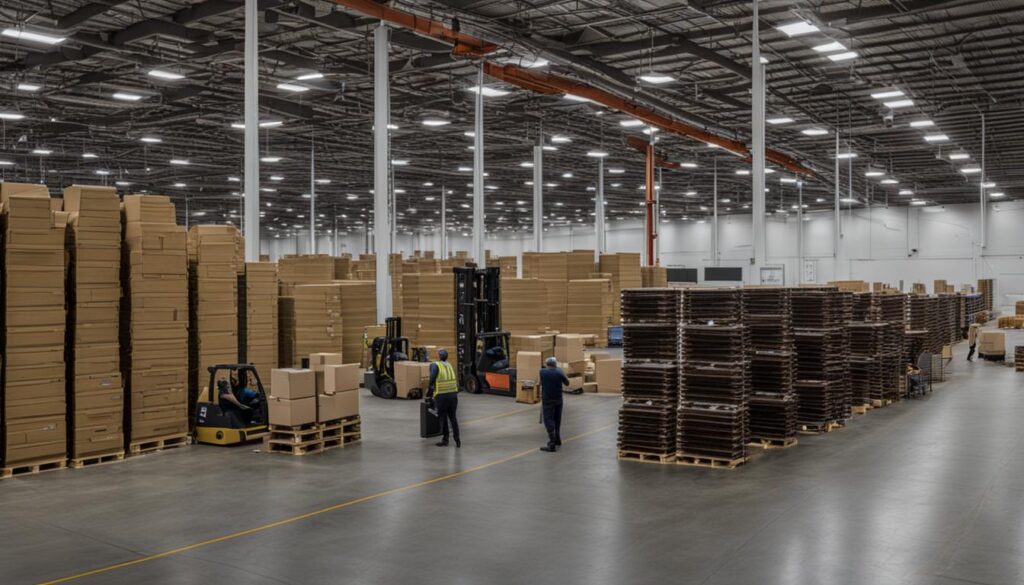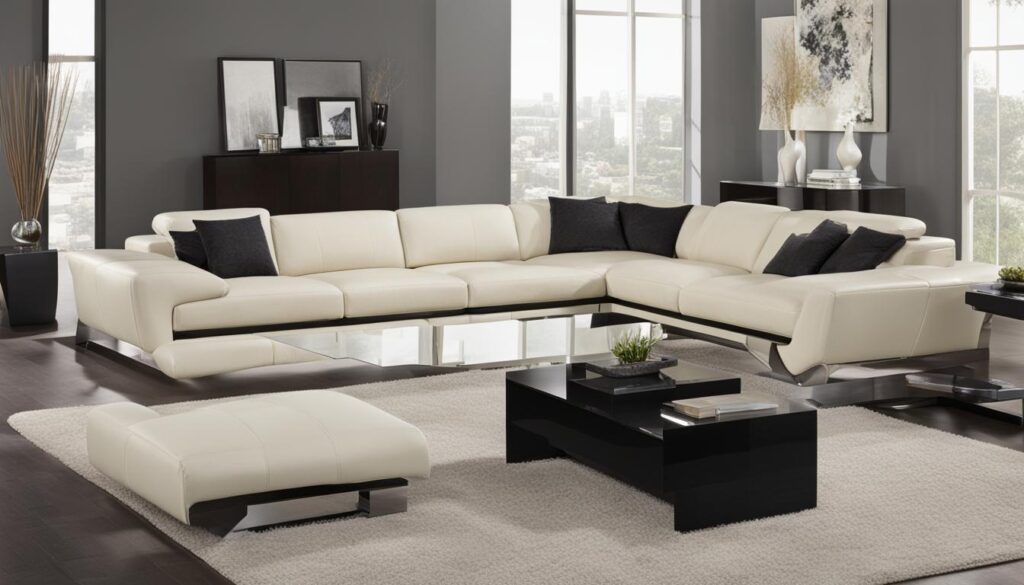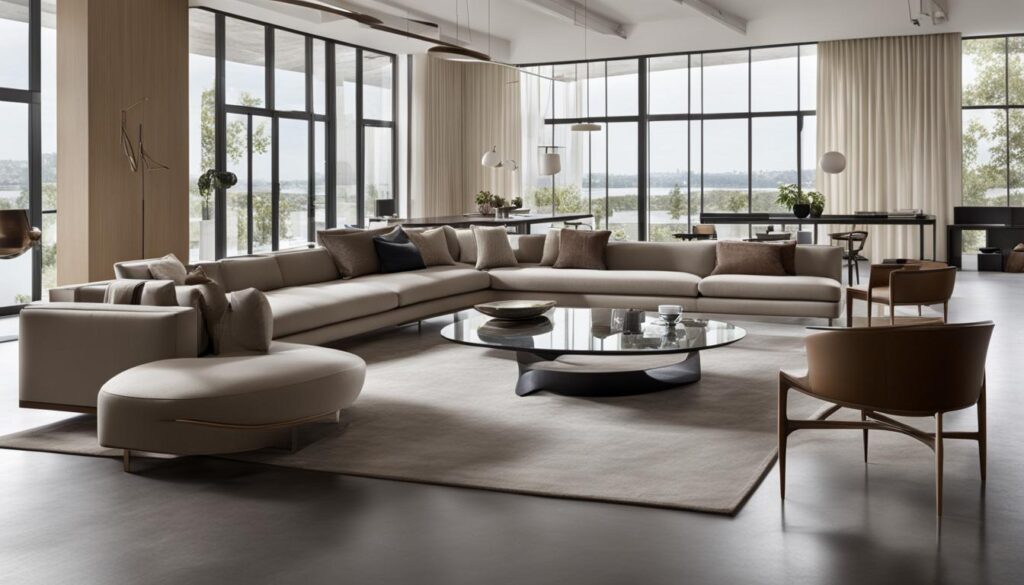
In the intricate tapestry of the modern economy, few sectors exemplify the dance of supply and demand as vividly as the furniture industry. This complex ecosystem is a harmonious blend of innovation, artisanship, and commercial acumen, with manufacturers and retailers enacting pivotal roles in the journey of furniture from the conceptual sketch to the consumer’s living space.
Manufacturers lay the groundwork, crafting the tangible pieces that will soon furnish homes and offices. Their domain involves the alchemy of converting raw materials—woods, metals, fabrics, and more—into functional and aesthetically pleasing items. These creators are the bedrock of the industry, setting design trends and standards that define the living spaces of a society.
Retailers, on the other hand, serve as the conduit for these crafted pieces, providing the platforms and customer interactions necessary to transition furniture from warehouses to living rooms. Their realms—be it physical showrooms or digital storefronts—are where consumers connect with manufacturers’ creations, and crucially, make their purchasing decisions.
Between them exists a symbiotic relationship that is the linchpin of the entire furniture market. Manufacturers rely on retailers to understand and communicate customer preferences, thereby influencing design and production decisions. Retailers, in turn, depend on manufacturers for a consistent supply of quality products that meet the expectations and desires of the end consumer.
This interdependence is underscored by a shared objective: to produce and provide furniture that resonates with consumers, satisfies functional requirements, and captures the zeitgeist of the times. Both parties must navigate a landscape marked by consumer trends, economic fluctuations, and technological advancements. Each entity contributes its strengths, whether it’s manufacturers’ ability to innovate and produce or retailers’ skills in marketing and customer service.
In the vast and competitive terrains of the United States, this relationship becomes even more pronounced. Here, the market is a microcosm of diverse consumer tastes and considerable economic scales. With a history of craftsmanship and a rapidly evolving retail environment, understanding the dynamics at play within the US furniture industry offers valuable insights into wider market trends, business practices, and the future direction of domestic and international commerce.
Through this lens, this article endeavors to dissect and comprehend the intricate relationship and dynamics between manufacturers and retailers in the US furniture industry. We will delve into the complete life cycle of furniture production, the retail strategies that bring these items to market, the seismic shifts brought about by e-commerce, the market size, and growth trends, as well as the impact of COVID-19 on consumer preferences and the rise of online sales. By examining these multifaceted relationships and processes, we aim to construct a comprehensive understanding of how manufacturers create and retailers sell furniture within this vibrant sector of the economy.
Manufacturing Process of Furniture
The manufacturing process of furniture is a complex sequence of operations that bridges the gap between a designer’s vision and the final product that graces our living spaces. Understanding this process illuminates the meticulous craft that contributes to the furniture industry’s operational backbone.
Initial Design Phase
The journey of a furniture piece invariably begins in the minds of designers and product developers. It is in the design phase where functionality meets creativity. Designers must consider the aesthetic appeal, structural integrity, and the practical aspects of usage. This creative stage involves sketching, modeling, and often the use of computer-aided design (CAD) software to bring ideas to life in a precise and editable form. Prototyping often follows, offering a three-dimensional realisation of the concept for evaluation and refinement.
As market trends evolve, designers also integrate customer feedback, market research, and ergonomic data to ensure that the product will meet the demands of the intended user base. This iterative process continues until a final design is agreed upon, balancing innovation with manufacturability.
Material Selection
With a definitive design blueprint in place, the next critical step is the selection of appropriate materials. The chosen materials significantly affect the item’s aesthetic, durability, cost, and environmental impact. Hardwoods like oak, maple, and walnut are popular for their strength and grain patterns but come with higher price points and implications for sustainability. Softwoods, engineered woods, and veneers offer alternative options that cater to different market segments. Metal components may involve aluminum, steel, or alloys, each selected for properties like strength, weight, and corrosion resistance.
The eco-friendly trend has also ushered in materials like bamboo, reclaimed wood, and recycled metal. Upholstery choices depend on aesthetics, usage, and durability, with materials ranging from genuine leather to a plethora of synthetic fabrics, each with unique textures, colors, and patterns.
Construction Methods
Once materials are sourced, the manufacturing stage commences. Traditional woodworking techniques such as joinery are employed alongside modern practices. Machining operations—sawing, planing, drilling—shape the components, while advanced methods like CNC (Computer Numerical Control) routing offer precision for intricate patterns and consistent production.
Assembly is the stage where the furniture piece starts to take physical form. Here, adhesives, fasteners, and hardware are strategically chosen to ensure each piece’s stability and longevity. Automated assembly lines have become more commonplace, especially in large-scale production facilities, where efficiency is paramount. However, handcrafted techniques remain integral to bespoke and high-end furniture, where the touch of skilled artisans adds value to the final product.
Finishing Process
Once assembled, furniture undergoes finishing processes which may include sanding, staining, painting, or sealing. Finishing serves multiple purposes: it enhances appearance, protects the material, and can also provide resistance to wear and environmental damage. The final finish brings out the character of the material and plays a significant role in the aesthetic appeal of the product.
Advanced techniques like powder coating for metals and UV curing for wood finishes have been adopted for their durability and reduced environmental impact. Innovations in finishing materials have also led to the development of non-toxic, low-VOC (volatile organic compounds) finishes that are safer for consumers and the environment.
Quality Assurance
Quality control is woven through each phase of the manufacturing process but becomes most visible post-production. Comprehensive inspection systems are in place to ensure that each piece meets strict standards for safety, durability, and aesthetics. From checking joint integrity to scrutinizing the final finish, no aspect is overlooked. Compliance with industry standards and certifications adds a layer of trust for consumers and differentiates quality in a competitive market.
Modern Trends in Furniture Manufacturing
With a finger on the pulse of technology and societal shifts, the furniture manufacturing industry is in a constant state of evolution. Automation has been embraced not only for its efficiency but for its ability to reduce human error and optimize the use of materials. Robotic arms and automated conveyor systems streamline the production process, from the assembly to packaging.
Simultaneously, eco-consciousness has infiltrated the sector, with sustainability becoming a selling point. The integration of eco-friendly materials, energy-efficient production methods, and responsible waste management practices reflects a commitment to minimizing the environmental footprint. Biodegradable materials and recyclability are increasingly considered at the design stage, intended to address the lifecycle impact of products.
Conclusion
In the furnishing of modern spaces, manufacturers wield the tools of innovation, efficiency, and responsibility, translating artistic concepts into tangible assets. Mastery of materials, fidelity to design, and precision in production coalesce to produce the myriad of furniture items that support and enrich human activity. It is this blend of tradition and innovation, artistry and industry, that continues to propel furniture manufacturing forward. With these processes, the furniture industry balances the legacy of craftsmanship with the vanguard of technology, ensuring its relevance and resilience in a world of ever-changing consumer desires and environmental imperatives.
Retailers’ Role in Furniture Sales
Retailers serve as the pivotal conduit between furniture manufacturers and the end consumer. Their role extends far beyond simple transactions, encapsulating aspects of market analysis, customer service, marketing, and logistics that all contribute to the distribution of furniture products. The retail model chosen can significantly affect how these aspects are managed and executed.
In traditional brick-and-mortar stores, retailers offer customers the tactile experience of furniture shopping. These physical locations allow for direct consumer engagement, enabling shoppers to feel textures, test comfort, and gauge the scale of furniture in a real-world setting. The sensory experience and immediate satisfaction of in-store shopping are undeniably valuable to many consumers, particularly when making significant investments in home furnishings.
Furthermore, brick-and-mortar stores function as showrooms that provide design inspiration and lifestyle setups, which can spur additional sales. The presence of knowledgeable sales staff can enhance the shopping experience, offering personalized service and expertise. These employees play a critical role in guiding consumers through a myriad of choices, addressing queries, and facilitating a confident purchase decision.
The inventory held by physical stores represents a selection of the manufacturer’s broader catalogue, curated to reflect the preferences and purchasing power of the local demographic. This selection is crucial to maintain sales velocity and minimize stock holding costs. However, retailers face challenges, such as predicting consumer demand accurately to keep the inventory balanced. Overestimating can lead to excess stock and increased carrying costs, while underestimating can result in stockouts and lost sales.
Retailers must also consider the considerable overheads associated with physical locations, including rent, utilities, staffing, and insurance, which are factored into the pricing strategy. The competitive landscape necessitates promotional activities and discounts to attract foot traffic and conversion, directly impacting profit margins.
With the digital transformation and the inception of e-commerce, the furniture retail model has undergone significant changes. E-commerce has granted retailers the ability to reach a broader audience without the geographical constraints of a physical location. The online platform’s 24/7 accessibility appeals to the modern consumer’s desire for convenience and immediacy.
Online furniture retail provides comprehensive product listings with detailed descriptions, high-quality images, and customer reviews that inform purchasing decisions. Advanced features like augmented reality (AR) apps enable consumers to visualize furniture in their space, adding a new dimension to the online experience that bridges the gap between digital and physical realms.
However, the shift to online sales is not without its challenges. Digital retailers must establish robust logistics for the delivery and, potentially, assembly of furniture—a process that can be complex and costly due to the bulky nature of the products. Customer service in a digital environment must also be impeccable, with responsive communication channels to manage inquiries and after-sales support. Returns and exchanges present additional logistical hurdles, given the size and value of the items.
Retailers with both physical and online presence, known as omnichannel retailers, benefit from leveraging the strengths of both models. They offer consumers the flexibility to research products online before testing them in-store or vice versa. This hybrid approach caters to a wide range of consumer preferences, though it requires seamless integration of sales systems, inventory management, and customer service protocols to provide a unified brand experience.
One significant advantage of the omnichannel model is the ability to collect and analyze data from multiple sources, providing insights into customer behavior that inform inventory, marketing, and merchandising decisions. Retailers can personalize the shopping experience, targeting customers with recommendations and promotions tailored to their preferences and previous purchasing habits.
Retailers often work closely with manufacturers to develop exclusive product lines or to offer customization options, adding value and differentiation in a crowded market. These partnerships can lead to innovation in product development and marketing strategies, fostering a competitive edge for both parties.
In summary, the role of retailers in the furniture industry encompasses a broad spectrum of functions vital to the distribution of products. The diverse retail models, from traditional brick-and-mortar to e-commerce and omnichannel strategies, come with unique advantages and challenges that influence the consumer journey. Retailers’ ability to adapt, innovate, and maintain customer-centric approaches, in partnership with manufacturers, determines their success in delivering furniture to end consumers.
E-Commerce Influence on Furniture Sales
The seismic shift towards e-commerce has revolutionized furniture sales, shaping both the strategy of retailers and the purchasing habits of consumers. This transformation has been particularly notable in the furniture industry, a sector that traditionally relied heavily on the sensory engagement provided by physical stores. E-commerce has introduced a level of convenience that aligns with the modern consumer’s expectations for accessibility, efficiency, and a broad range of choices.
Online shopping for furniture offers a distinct advantage: the ability to explore an extensive inventory without the constraints of geography and store operating hours. Consumers can browse through multiple collections, styles, and configurations at their leisure, comparing prices and products from various retailers with a few clicks. This has democratized access to furniture, especially for those residing in areas without large showrooms or specialty furniture stores.
The convenience of online shopping extends to the transaction process. E-commerce platforms have streamlined the purchasing pathway with easy-to-navigate websites, secure payment gateways, and customer-friendly policies. The adoption of these digital solutions caters to a tech-savvy demographic that values quick and transparent transactions.
However, this shift in consumer behavior toward digital channels has not come without challenges, especially in a market segment as nuanced as furniture. Retailers are called upon to address several logistical complexities inherent to the sale of large, bulky items. The transportation of furniture requires meticulous planning to ensure damage-free delivery—a critical aspect given the value and size of these items. This logistical puzzle extends to include reverse logistics for returns, which can become a costly affair for retailers.
The integration of technology has been pivotal in enhancing customer experience and streamlining business operations. High-quality visuals and detailed product specifications provide a clear understanding of the items, helping customers make informed decisions without physically interacting with the furniture. Moreover, advanced functionalities such as augmented reality (AR) have been revolutionary. AR tools allow customers to visualize products within their own homes, effectively simulating the in-store experience and reducing the hesitation associated with not being able to “see” the product before purchasing.
In addition to AR, some retailers have implemented virtual assistants and chatbots to provide real-time assistance, replicating the service offered by sales representatives in brick-and-mortar locations. This integration of human-like assistance into the online shopping experience helps address customer queries and enhances satisfaction.
To maintain a competitive edge, retailers are also utilizing data analytics to understand customer behavior, personalize the shopping experience, and optimize their supply chain. The ability to analyze large datasets has enabled businesses to forecast trends, manage inventory efficiently, and tailor marketing efforts to target potential customers effectively.
While e-commerce has surged, it has also coaxed traditional retailers to re-examine their business models. The emergence of omnichannel strategies has seen retailers blend the online experience with physical showrooms. Pop-up exhibits, for instance, allow customers to interact with select pieces in person, while final transactions are facilitated through digital platforms. Such synergistic models aim to harness the strengths of both retail channels to cater to diverse consumer preferences.
Despite the evident benefits, there is an ongoing dialogue concerning the environmental impact of increased packaging and transportation associated with online furniture sales. Environmentally conscious consumers and advocacy groups are pressing for sustainable practices in packaging, delivery, and materials used in furniture construction. In response, some e-commerce retailers are adopting green logistics practices and sourcing sustainably produced furniture.
E-commerce has undeniably become a linchpin in the furniture sales ecosystem, driven by technological advancements and shifting consumer demands. While the digital shopping experience continues to evolve, embracing these innovations remains vital for retailers aspiring to achieve longevity and customer loyalty in an increasingly digitalized marketplace.
US Market Size and Growth Trends
US Market Size and Growth Trends
The furniture industry in the United States represents a significant sector of the nation’s economy, characterized by its substantial contribution to domestic manufacturing output and retail sales. As an industry that combines traditional craftsmanship with modern technology, it navigates through an evolving landscape marked by consumer trends, economic factors, and international competition.
Economic Performance of the US Furniture Industry
In recent years, the US furniture market has seen a dynamic interplay of growth and contraction, influenced by varying economic conditions. According to industry analysis, the United States home furniture market, estimated at USD 34.8 billion, exhibits resilience with a projected compound annual growth rate (CAGR) greater than 3% over the forecast period. This growth trajectory is consistent with the global furniture market’s pattern, which saw an expansion from USD 516.66 billion in 2022 to an estimated USD 541.52 billion in 2023, with projections reaching USD 780.43 billion by 2030.
The domestic market features a mix of large conglomerates and small to medium-sized enterprises, with the United States housing some of the world’s most recognized furniture brands. American manufacturers and retailers, both large and small, contribute to the market’s size, with diverse product offerings that range from mass-produced items to custom and luxury pieces.
Competitive Landscape
The competitive landscape of the US furniture industry is shaped by both internal and external forces. On the domestic front, companies compete on various factors including design, quality, price, and service. Major US-based players such as Ashley Furniture Industries, Steelcase, and Herman Miller, are recognized for their significant market presence and brand reputation. These firms often focus on research and development to introduce innovative products that meet shifting consumer demands.
On the global stage, US manufacturers and retailers face intense competition from international players, particularly those from countries with lower production costs, such as China and Vietnam. This competition puts pressure on pricing and profit margins, leading US companies to seek efficiencies in production and distribution to maintain their market share.
Growth Drivers
Several growth drivers underpin the US furniture market’s expansion. The residential construction boom, especially in the post-recession era, has been a major contributing factor to increased furniture sales. Furniture sales are closely tied to home sales and construction, as new homeowners and renovations stimulate demand for a range of furniture products.
The burgeoning e-commerce segment has also redefined the retail landscape for furniture in the United States. Online furniture sales have grown exponentially, spurred by advancements in digital marketing, augmented reality (AR), and improved logistics. The convenience and breadth of selection offered online appeal to a growing segment of consumers who prefer to shop from the comfort of their homes.
Inhibitors of Growth
Despite the positive outlook, several factors inhibit the US furniture market’s growth. High raw material costs and fluctuating import tariffs have posed challenges for manufacturers, impacting their cost structures and pricing strategies. The skilled labor shortage is another hurdle, particularly in the craftsmanship-intensive segments of the industry, where the mastery of traditional techniques is essential for quality furniture production.
Supply chain disruptions, as seen during the COVID-19 pandemic, can significantly affect the industry’s ability to meet consumer demand promptly. Delays in raw material procurement and issues with international logistics can lead to backorders and lost sales, highlighting the need for robust and flexible supply chain management.
Future Trends
Looking ahead, the US furniture market will continue to evolve, influenced by various trends and consumer behaviors. There is an increasing demand for sustainable and eco-friendly furniture, driven by environmental awareness and regulations. This is leading manufacturers to explore alternative materials and production methods that have a reduced environmental impact.
The integration of technology in furniture design, such as “smart” furniture embedded with sensors and connectivity, is an emerging trend that may redefine product offerings in the future. Additionally, customization and personalization are becoming more important to consumers, who increasingly seek unique products that reflect their individual styles and preferences.
In conclusion, the US furniture market’s size and growth reflect a complex and multifaceted industry. Amidst economic fluctuations and competitive pressures, the industry remains a vital part of the US economy, demonstrating adaptability and innovation in the face of changing market dynamics. As manufacturers and retailers navigate through these trends, their strategies will determine the industry’s trajectory in the years to come.
Consumer Preferences and Buying Behaviors
As the furniture industry evolves, so do the preferences and behaviors of its consumers. In recent years, the dynamic between customer demand and the products that manufacturers create and retailers sell has become increasingly complex. The convergence of digital influences and social trends has led to a seismic shift in consumer buying habits, particularly in the realm of design preferences, material selections, and feature expectations.
Popular Designs: From Traditional to Modern and Beyond
Design preferences in furniture have historically been influenced by aesthetic trends and functional needs. As lifestyles change and living spaces become more fluid, furniture designs have adapted. The recent inclination towards minimalism has seen a surge in the popularity of Scandinavian and mid-century modern designs. These design schools are characterized by clean lines, neutral palettes, and a focus on simplicity and functionality. The appreciation for these styles is often driven by their ability to blend timeless aesthetic with contemporary living spaces.
Moreover, the advent of remote work culture has spurred an increased interest in home office furniture that is both ergonomic and stylish. Desks and chairs that provide comfort during long hours of work, along with storage solutions that help in maintaining a clutter-free space, have become essentials in the modern household.
The Quest for Quality Materials: Sustainability Takes Center Stage
In an age where environmental consciousness is on the rise, materials used in furniture production have come under scrutiny. Consumers are showing a marked preference for sustainable and eco-friendly materials. Reclaimed wood, bamboo, and recycled metals have gained popularity for their minimal environmental impact and aesthetic appeal. Organic fabrics and natural fibers for upholstery are also sought after, aligned with the growing trend for healthier, eco-conscious living environments.
This shift in material preferences has compelled manufacturers to review their sourcing strategies and consider the ecological footprint of their products. Retailers, in turn, highlight these sustainable choices, often using them as selling points to attract environmentally aware consumers.
Features and Functionality: Multifunctionality and Technological Integration
With the rise of urban living and smaller living spaces, furniture that is versatile and space-saving has become a priority for many consumers. Convertible sofas, extendable tables, and modular units that offer multifunctionality without compromising on design have seen increased demand. Furniture that adapts to the user’s needs, such as adjustable shelving and desks with built-in charging ports, reflects the importance of adaptability and personalized comfort.
The integration of technology into furniture design is another trend gaining momentum. Smart furniture, which includes pieces with embedded technology such as wireless charging pads, speakers, and health monitoring systems, is becoming more prevalent as the Internet of Things (IoT) expands into home environments.
Digital Influences: Social Media and Online Reviews Shape Perceptions
In the digital age, consumer buying behaviors are heavily influenced by online platforms. Social media has emerged as a powerful tool for discovering new furniture trends and design ideas. Platforms like Instagram and Pinterest are visual showcases where styles, materials, and layouts are shared, often going viral and setting new trends. Influencers play a key role in this ecosystem, curating spaces and offering inspiration to their followers, which can translate into specific consumer demands that manufacturers and retailers must meet.
Online reviews and ratings have also become crucial in the decision-making process. Before committing to a purchase, especially one as significant as furniture, buyers extensively research and compare products online. Positive reviews can bolster a product’s reputation, while negative feedback can deter potential customers. This immediate feedback loop necessitates that manufacturers and retailers prioritize customer satisfaction and transparency in product quality.
Adapting Retail Strategies to Consumer Trends
Retailers have taken note of these shifts in consumer preferences and have modified their strategies accordingly. The establishment of a robust online presence is no longer just an option but a necessity. Retailers are enhancing their websites with high-quality images, detailed product information, and virtual reality (AR) tools that allow customers to visualize how the furniture would look in their own space.
Physical retail spaces are also adapting, with many now designed to reflect current design trends and feature interactive displays. By creating an immersive shopping experience, retailers aim to inspire customers and make the purchasing decision easier, regardless of whether they ultimately buy in-store or online.
In essence, the changing consumer preferences in the furniture industry are a multifaceted phenomenon shaped by social trends, technological advancements, and an overarching shift towards digital engagement. Manufacturers and retailers alike must navigate this terrain with agility, responding to and even anticipating the evolving demands of the modern consumer. As design, materials, and features continue to diversify, the ability of businesses to adapt will determine their success in a market where the only constant is change.
Impact of COVID-19 on the Furniture Industry
Impact of COVID-19 on the Furniture Industry
The outbreak of the COVID-19 pandemic has been a pivotal moment for various sectors worldwide, and the furniture industry is no exception. The disruption brought about by the pandemic has reshaped industry dynamics, with ripple effects across manufacturing processes, consumer behavior, and retail strategies. The interplay between operational challenges and evolving market demands has necessitated a rapid recalibration of how businesses operate within the furniture sector.
Operational Challenges
The manufacturing segment of the furniture industry has experienced pronounced disruptions due to the pandemic. Supply chains, integral for the sourcing of raw materials and components, were hit by unprecedented shocks. Lockdowns and social distancing measures led to factory closures or reduced operations in several key sourcing countries, resulting in delays and shortages of materials such as timber, metal, and upholstery supplies. These interruptions caused a cascading effect, delaying production lines and affecting the availability of finished products.
Transportation and logistics faced their hurdles as border controls tightened, and freight capacity became constrained. The cost of shipping containers saw an astronomical rise, exacerbating cost pressures for manufacturers who rely on imports. Additionally, safe working protocols in manufacturing facilities necessitated redesigning production floors to comply with health guidelines, further impacting production efficiency.
These operational challenges forced manufacturers to rethink their supply chain strategies, seeking more resilient and diversified sourcing options to mitigate future risks. Some shifted towards more localized supply chains to reduce reliance on overseas sources, thereby improving their control over production and reducing lead times.
Shifts in Consumer Demand
Consumer demand in the furniture industry has undergone significant transformation due to lifestyle changes imposed by the pandemic. With the shift towards remote work and spending more time at home, there has been an increased focus on creating comfortable and functional living spaces. The demand for home office furniture, outdoor living sets, and ergonomic designs saw substantial growth. This pivot in consumer preferences required manufacturers to quickly adapt their product designs and retailers to adjust their inventories to match these emerging needs.
The pandemic also accentuated the consumer’s focus on the importance of a healthy living environment, driving demand for furniture made with non-toxic, sustainable materials. This growing conscientiousness around health and the environment pressured manufacturers to further invest in sustainable practices and transparency in their production processes.
Acceleration of Online Retail
One of the most profound effects of the COVID-19 pandemic on the furniture industry has been the acceleration of e-commerce. As brick-and-mortar stores faced restrictions and consumers sought to minimize physical contact, online furniture sales soared. Retailers who had previously maintained a peripheral online presence were compelled to enhance their digital storefronts and e-commerce capabilities swiftly.
Adoption of technologies like AR became more widespread, allowing consumers to visualize furniture in their homes before making a purchase, thereby reducing the hesitation associated with buying large items online. This digital push extended to customer service, with virtual consultations and chatbots becoming more prevalent to assist customers in their purchasing journey.
This surge in online retail also brought about challenges, particularly in logistics and fulfillment. Retailers had to ensure robust inventory management systems and flexible distribution networks to cope with the volatility of online demand. Returns management became a critical area as well, given the higher propensity for returns in e-commerce transactions.
Strategies for Coping with Change
In response to these multifold challenges, businesses in the furniture industry adopted various strategies to maintain operations and meet shifting consumer expectations. Key among these was the acceleration of digital transformation initiatives. Manufacturers and retailers expanded their investment in digital tools, not only for sales and marketing but also for supply chain management and production planning. Omnichannel strategies were refined, offering a seamless shopping experience to customers, blending the convenience of online research and purchasing with the option of in-store pickups or returns.
Businesses also enhanced their flexibility in manufacturing and inventory management. Just-in-time production methods were reevaluated in favor of more robust inventory levels to buffer against supply chain uncertainties. Manufacturers reviewed their product lines to focus on items with higher demand and quicker turnaround times.
Another strategy was the increased collaboration between manufacturers and retailers. Partnerships allowed for sharing of market insights and demand forecasting, which became crucial for optimizing production schedules and inventory management. Exclusive product lines developed in collaboration helped differentiate offerings in a saturated market, providing a competitive edge in the marketplace.
Additionally, furniture companies expanded their customer engagement efforts, using social media and content marketing to stay connected with their customer base. Interactive online events, virtual showroom tours, and DIY home improvement workshops helped maintain brand visibility and customer loyalty during a time when traditional engagement methods were not viable.
The COVID-19 pandemic has undeniably served as a stress test for the furniture industry, spotlighting vulnerabilities and prompting an accelerated evolution of business models. Manufacturers and retailers alike have had to navigate a complex landscape of operational disruptions, shifting consumer demands, and the rapid rise of e-commerce. As the industry grapples with these challenges, the strategies adopted during this period may well define the trajectory of the furniture market in the post-pandemic world.
Challenges Faced by Manufacturers and Retailers
The furniture industry, much like many other sectors, is not immune to challenges. The intricacies of the relationship between manufacturers and retailers are often tested by international competition, supply chain complexities, and technological disruptions. These factors demand strategic responses and innovative solutions to remain competitive.
International Competition
The liberalization of trade and globalization has intensified competition in the furniture industry. U.S. furniture manufacturers and retailers are increasingly contending with international entities that capitalize on lower production costs, particularly from countries like China and Vietnam. While this scenario offers consumers a broader selection at lower prices, it exerts pressure on domestic manufacturers to compete on cost without compromising quality. To differentiate themselves, many U.S. manufacturers emphasize superior craftsmanship, customization options, and shorter lead times.
Retailers, in turn, face the decision of stocking a mix of domestic and imported furniture. While imports may offer better margins and price points, retailers must also consider the value of promoting “Made in the USA” as a selling point for a segment of consumers who are willing to pay a premium for domestically produced goods.
Supply Chain Complexities
Furniture manufacturing relies on a complex, global supply chain. The procurement of raw materials such as lumber, metal, and textiles often involves multiple countries and continents. Fluctuations in global markets can lead to volatile raw material prices, affecting manufacturers’ bottom lines. Furthermore, political events like trade disputes or tariffs can disrupt the flow of goods, leading to delays and increased costs.
The pandemic has vividly demonstrated how fragile these supply chains can be. Disruptions caused by COVID-19 have highlighted the need for robust supply chain strategies that can accommodate unforeseen events. Manufacturers are exploring options like nearshoring or reshoring to gain greater control over their supply chains and to enhance responsiveness to market demands. Retailers must adapt by ensuring they have adequate inventory or finding alternative sources to meet customer expectations in a timely manner.
Technological Disruptions
Technology is reshaping the manufacturing and retail landscapes through automation, e-commerce, and advanced analytics. Manufacturers are increasingly adopting Industry 4.0 practices, integrating smart technology into production lines to increase efficiency and reduce costs. However, this necessitates significant capital investments and cultural changes within organizations.
For retailers, the continued growth of e-commerce demands an evolution in how they engage with consumers. The digital space is highly competitive, with virtual storefronts, online marketplaces, and social media platforms converging as channels for furniture sales. This shift requires retailers to invest in robust online platforms, digital marketing strategies, and customer service tools, such as AI-driven chatbots and virtual assistants.
Adapting to Consumer Demands
Today’s furniture consumers demand more than just products; they seek experiences and align their purchasing choices with their personal values. A growing concern for the environment and sustainability is prompting both manufacturers and retailers to reconsider their materials and processes, and to be transparent about their sustainability efforts.
Consumers are also looking for personalized shopping experiences and products. Customizable furniture options have become a unique selling proposition for many manufacturers, requiring a shift in manufacturing processes to accommodate small batch production without driving costs prohibitively high.
Market Dynamics Shaping Strategies
Responding to these challenges, businesses are re-evaluating their market strategies to stay afloat in a dynamic industry. Manufacturers are investing in technologies that allow for greater customization and are adopting lean manufacturing principles to remain agile. Some are also exploring direct-to-consumer sales models to increase their market share and improve profit margins.
Retailers are differentiating themselves by offering unique in-store experiences, expert advice, and post-purchase support to capitalize on the benefits of brick-and-mortar stores, while simultaneously building out their online presence. Strategic collaborations between manufacturers and retailers for exclusive product lines serve as a competitive edge in the crowded market.
The integration of AR technology into online retail platforms is enhancing the consumer experience, making it easier for customers to make confident purchasing decisions from the comfort of their homes. This approach bridges the gap between the tactile, visual engagement of in-store shopping and the convenience of online browsing.
In conclusion, stakeholders in the furniture industry are navigating a labyrinth of challenges. From international competition, supply chain complexities, and technological advancements, to the ever-evolving consumer preferences and market dynamics. However, these adversities are spurring innovation and adaptation, prompting manufacturers and retailers to discover new ways to excel and to redefine the furniture buying experience.
Case Studies of Successful US Furniture Businesses
Case Studies of Successful US Furniture Businesses
In a dynamic industry like furniture, certain businesses stand out due to their innovative approaches and successful adaptations to market trends. Here, we take an analytical look at how some US-based furniture companies have navigated the challenges and seized opportunities in the market.
Case Study 1: Ashley Furniture Industries, Inc.
Ashley Furniture Industries, Inc. is one of the largest manufacturers of home furnishings in the world and a prime example of successful market penetration and adaptation. Starting as a small Wisconsin company in 1945, Ashley Furniture has grown into an international entity, with its products sold through vast numbers of retailers as well as its own chain of Ashley HomeStores.
Ashley’s strategy pivots around its vertically integrated business model, controlling much of its supply chain. This integration enables Ashley to maintain quality, reduce costs, and ensure timely delivery, giving it an edge over competitors who may face supply chain bottlenecks.
Investment in state-of-the-art manufacturing technology and commitment to continuous improvement processes have bolstered Ashley’s production efficiency. The company has successfully incorporated automated machinery and lean manufacturing principles, resulting in the ability to produce a high volume of products at a lower cost without sacrificing quality.
In response to the rise of e-commerce, Ashley Furniture has developed a robust online presence while maintaining strong brick-and-mortar retail stores. This omnichannel approach accommodates consumer preferences for both physical showrooms and the convenience of online shopping, a duality amplified by the COVID-19 pandemic.
Case Study 2: Herman Miller, Inc.
Herman Miller, Inc. is renowned for its innovative designs and high-quality office furniture. Their success is attributed partly to their research-based approach to product development, emphasizing ergonomics and sustainability. The Aeron chair, for instance, is a cultural icon that changed expectations for office seating, combining functionality with sustainability.
In a digital age where online presence is pivotal, Herman Miller adopted digital tools to enhance customer engagement. They employed augmented reality (AR) to allow customers to visualize products in their space before making a purchase decision. This technological adoption aligns with contemporary consumer behavior and has been especially useful when in-store testing was not possible.
Another strategic move that has bolstered Herman Miller’s market position is its expansion into related market segments. For instance, acquiring Design Within Reach expanded their reach into the premium home furniture market, which has seen growth as consumers invest more in home office settings.
Case Study 3: La-Z-Boy
La-Z-Boy is one of the most recognizable names in furniture, particularly known for its recliners. Their long-standing brand reputation is built on a foundation of comfort, innovation, and craftsmanship. The company has consistently focused on consumer needs, often leading to product diversification and customization opportunities that resonate with customers seeking personalization.
La-Z-Boy’s marketing strategies also demonstrate a deep understanding of their customer base. Their promotional campaigns leverage storytelling, portraying their furniture not just as a product but as an integral part of comfortable living spaces. This approach has helped them foster emotional connections with consumers, leading to enhanced brand loyalty.
Furthermore, La-Z-Boy has made strides in e-commerce, creating an online platform that complements their in-store experience. Their adoption of a hybrid retail model provides consumers with the flexibility to browse and purchase in the manner most convenient to them.
Case Study 4: Steelcase Inc.
Steelcase Inc. stands out for its focus on innovation and its responsiveness to changing workplace trends. As a leader in office furniture and workspace solutions, Steelcase has a heritage of research-driven design that adapts to how people work. Their products are geared towards enhancing productivity and well-being in office environments.
The company’s success can be credited to its forward-thinking vision that anticipates and reacts to trends in office culture. With an increase in remote work and the shift towards more collaborative and flexible workspaces, Steelcase has positioned itself as a thought leader in workspace design.
Their engagement with architects, designers, and customers in the research phase has led to products that are both functional and aesthetically pleasing. Steelcase’s ability to blend design with technology has kept them at the forefront of their industry.
Case Study 5: Restoration Hardware (RH)
Restoration Hardware (RH) has transformed from a purveyor of vintage hardware to a luxury brand selling premium furniture and home decor. Their success can be attributed to their distinctive approach to branding and customer experience. RH’s gallery spaces eschew the traditional retail format, offering instead immersive experiences that showcase their products within luxurious lifestyle settings.
RH has also capitalized on the concept of membership pricing, offering a paid program that provides customers with discounts and exclusive services. This strategy fosters loyalty and repeat business while maintaining the brand’s upscale image.
The company’s focus on high-quality, timeless pieces rather than trend-driven items sets them apart and allows them to cater to a market segment that prioritizes durability and design over price. RH’s ability to create and dominate a niche in luxury home furnishings serves as a model for differentiating within a saturated market.
Lessons Learned from Successful US Furniture Businesses
From these case studies, several actionable insights emerge. The strategic integration of supply chain operations provides control and flexibility in responding to market conditions, as seen with Ashley Furniture. Emphasizing design innovation and customer-centered research can create iconic products and foster brand loyalty, a lesson from Herman Miller. La-Z-Boy’s focus on narrative marketing demonstrates the importance of connecting with consumers on an emotional level, and Steelcase’s proactive adaptation to workplace trends underscores the need for industry foresight. Restoration Hardware’s reimagining of the retail experience shows how to captivate a luxury market.
Each of these businesses reveals that understanding and predicting customer needs, embracing digital transformation, and maintaining brand authenticity are keys to long-term success in the furniture industry. As manufacturers and retailers look to the future, they would do well to consider these lessons, ensuring they remain competitive in an industry ever shaped by innovation and consumer expectations.
Future Outlook and Predictions
Future Outlook and Predictions
As the furniture industry moves forward, it is poised for an era of unprecedented change and opportunity. Technological integration, market developments, and evolving consumer preferences will continue to shape the landscape, compelling manufacturers and retailers to adapt or risk obsolescence.
Technological Integration and Innovation
The increasing adoption of advanced technologies is set to revolutionize furniture manufacturing. Automated production lines, 3D printing, and artificial intelligence (AI) for design and logistics optimization will enhance efficiency, reduce waste, and allow for greater customization. As the industry embraces Industry 4.0, the line between manufacturer and technology company may blur, with the most successful enterprises being those that invest early in these innovations.
In retail, augmented reality (AR) and virtual reality (VR) will become standard tools in enhancing customer experience. Through AR and VR, retailers can offer immersive experiences that allow customers to visualize furniture in their space before making a purchase, directly from their smartphones or in-store kiosks. This will help bridge the gap between the convenience of online shopping and the confidence that comes with physical showrooms.
Blockchain technology could also make a significant impact by improving supply chain transparency. With blockchain, both businesses and consumers can track the origin and production journey of furniture, appealing to the growing market segment that values ethical sourcing and sustainability.
Market Developments
The future market is likely to witness the continued expansion of e-commerce, with online furniture sales capturing an even larger share of the market. Physical retail spaces, however, will not become obsolete but rather evolve. Showrooms may become experience centers where consumers interact with products in lifestyle settings, supported by in-store consultants using technology to personalize the shopping journey.
Customization will be a critical market development. As consumer demand for personalized furniture grows, manufacturers and retailers must collaborate to offer a seamless custom-furniture experience, from design and production to delivery. This shift will require manufacturers to be flexible in their production processes and for retailers to provide sophisticated online tools for custom orders.
The direct-to-consumer (D2C) model is also expected to gain momentum. By eliminating intermediaries, manufacturers can offer competitive pricing, deepen customer relationships, and gather valuable data to inform future designs and strategies. Retailers, therefore, will need to innovate to add value that justifies their role in the distribution chain.
Evolving Consumer Preferences
Sustainability will remain a dominant theme in consumer preferences. Environmentally responsible materials, production methods, and company policies will no longer be unique selling points but expected standards. Manufacturers and retailers that can convincingly communicate their sustainability credentials will attract an increasingly conscientious customer base.
The demand for multifunctional and space-efficient furniture will grow, driven by urbanization and the rise in smaller living spaces. This presents an opportunity for design innovation, with companies that can combine style, functionality, and compactness being likely to outperform their competitors.
The aging population will also influence consumer preferences, driving demand for furniture that caters to accessibility and comfort without compromising on style. Smart furniture with health-monitoring features could emerge as a significant market segment, combining technology with ergonomic design to cater to this demographic.
Navigating Future Challenges and Opportunities
To navigate the forthcoming challenges and opportunities, businesses will need to be proactive and agile. Investment in R&D for sustainable materials and smart technologies will be vital for manufacturers to stay ahead of the curve. Retailers should focus on enhancing online shopping experiences and transforming physical stores into places where technology and personal service converge to create added value.
Collaboration across the industry—from raw material suppliers to logistics partners—will be necessary to build a resilient supply chain capable of weathering future disruptions. Engaging with consumers through social media and other digital channels will help businesses stay in tune with their audience’s changing desires and expectations.
Continued education and upskilling of the workforce will ensure that the industry’s human capital can keep pace with the technological changes. Companies should foster a culture of continuous learning and innovation to attract and retain the best talent, who will be the architects of their future success.
In summary, the US furniture industry’s future will be shaped by its response to technological advancements, evolving market conditions, and shifting consumer demands. Manufacturers and retailers must embrace this wave of change, leveraging new technologies and market insights to craft furniture that embodies quality, functionality, and sustainability—while ensuring an exceptional buying experience. Those who can adapt to these dynamic conditions will not only survive but thrive in the competitive landscape that lies ahead.